
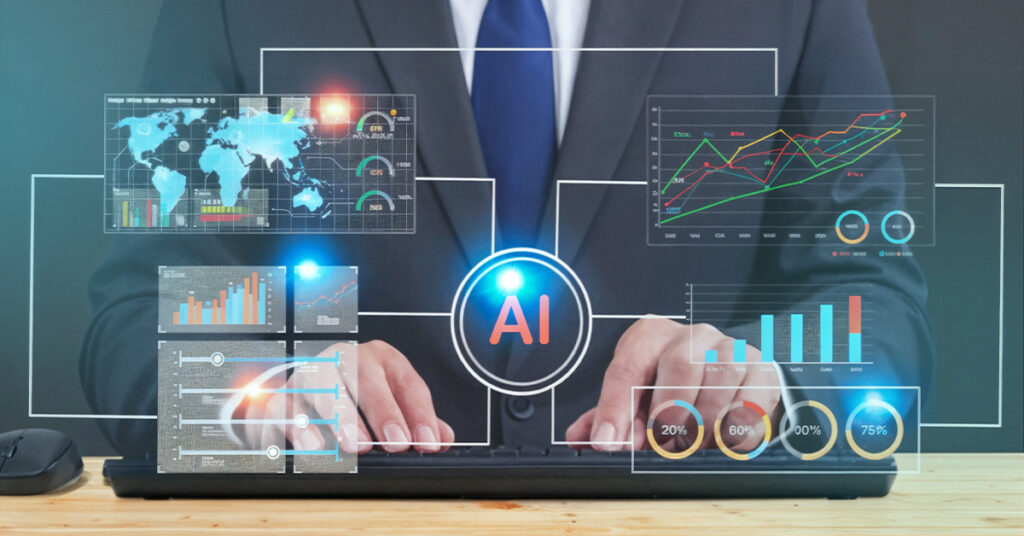
The world of paid advertising is changing rapidly, and AI in performance marketing is leading the way. From smarter audience targeting to automated ad optimization, AI is helping businesses achieve higher returns while reducing wasted ad spend.
1. Introduction: The Rise of AI in Paid Advertising
Paid advertising has come a long way, from simple banner ads on websites to highly targeted campaigns on Google and social media. In recent years, something even more powerful has emerged: AI in paid ads. Artificial intelligence is no longer just a futuristic concept. It now drives smarter, faster, and more efficient advertising. Businesses are leveraging AI-powered marketing strategies to analyze customer behavior, optimize campaigns, and deliver personalized experiences at scale. This shift is more than a trend; it marks a turning point for the future of paid advertising. Marketers who adapt early will enjoy higher returns, while those relying solely on traditional methods may struggle to keep up.
2. Why Traditional Paid Ads Are No Longer Enough
Traditional paid ads relied heavily on manual settings. Marketers had to guess which keywords to target, set budgets manually, and create multiple versions of ads to test performance. This process was time-consuming and often inefficient. With increasing competition, ad costs continue to rise. Businesses today face challenges like:
- Ad fatigue: Audiences see the same type of ads repeatedly and stop engaging.
- Wasted ad spend: Without precision targeting, budgets are drained quickly.
- Poor personalization: Generic ads fail to connect with modern customers who expect relevance.
The reality is simple. Manual methods can’t keep up with the speed and complexity of digital marketing anymore. This is where AI for advertising steps in to bridge the gap.
3. How AI Is Transforming Paid Advertising
The integration of AI has completely reshaped how businesses run performance marketing campaigns. Instead of relying on guesswork, marketers now depend on AI algorithms to make data-driven decisions. Here’s how AI ad optimization is changing the game:
- Smarter targeting: AI identifies patterns in user data and predicts which audience is most likely to convert.
- Real-time optimization: Ads are automatically adjusted based on performance, ensuring maximum ROI.
- Dynamic creatives: AI generates different versions of ad copy and visuals, testing them instantly to see what works best.
- Predictive analytics: Instead of waiting for results, AI predicts campaign performance and suggests improvements.
In short, AI in performance marketing has transformed paid ads from static campaigns into living, learning systems that constantly improve. Companies leveraging advanced performance marketing campaigns often see better results, insights, and efficiency in their advertising efforts.
4. The Core Benefit of AI in Performance Marketing
The true power of AI in performance marketing lies in its ability to make advertising smarter, faster, and more personalized. Let’s break down its core benefits.
4.1 Personalization at Scale
With AI-powered marketing strategies, businesses can analyze customer behavior, preferences, and purchase history to deliver highly personalized ads. Instead of generic campaigns, every customer sees what’s most relevant to them. For example, an online store can show a student affordable laptop ads while showing a gamer high-performance laptop options, all at the same time. This makes ads feel more useful and drives better engagement.
4.2 Real-Time Optimization
Unlike traditional campaigns that rely on delayed results, AI for ad optimization works instantly. It can pause underperforming ads, adjust bids, or swap creatives in real time. This ensures marketing budgets are used effectively, helping brands reach the right audience without overspending.
4.3 Better Conversion Rates
Personalized ads perform better, and AI helps improve conversion rate optimization for ads by testing variations quickly and adjusting campaigns based on results. This not only boosts sales but also reduces customer acquisition costs, making campaigns more profitable.
4.4 Building Long-Term Relationships
AI doesn’t just improve immediate clicks; it also strengthens customer trust. By keeping ads consistent and relevant across platforms, brands create meaningful connections. Over time, this personalization builds loyalty, turning one-time buyers into repeat customers.
5. The Role of AI in Improving Ad Performance Metrics
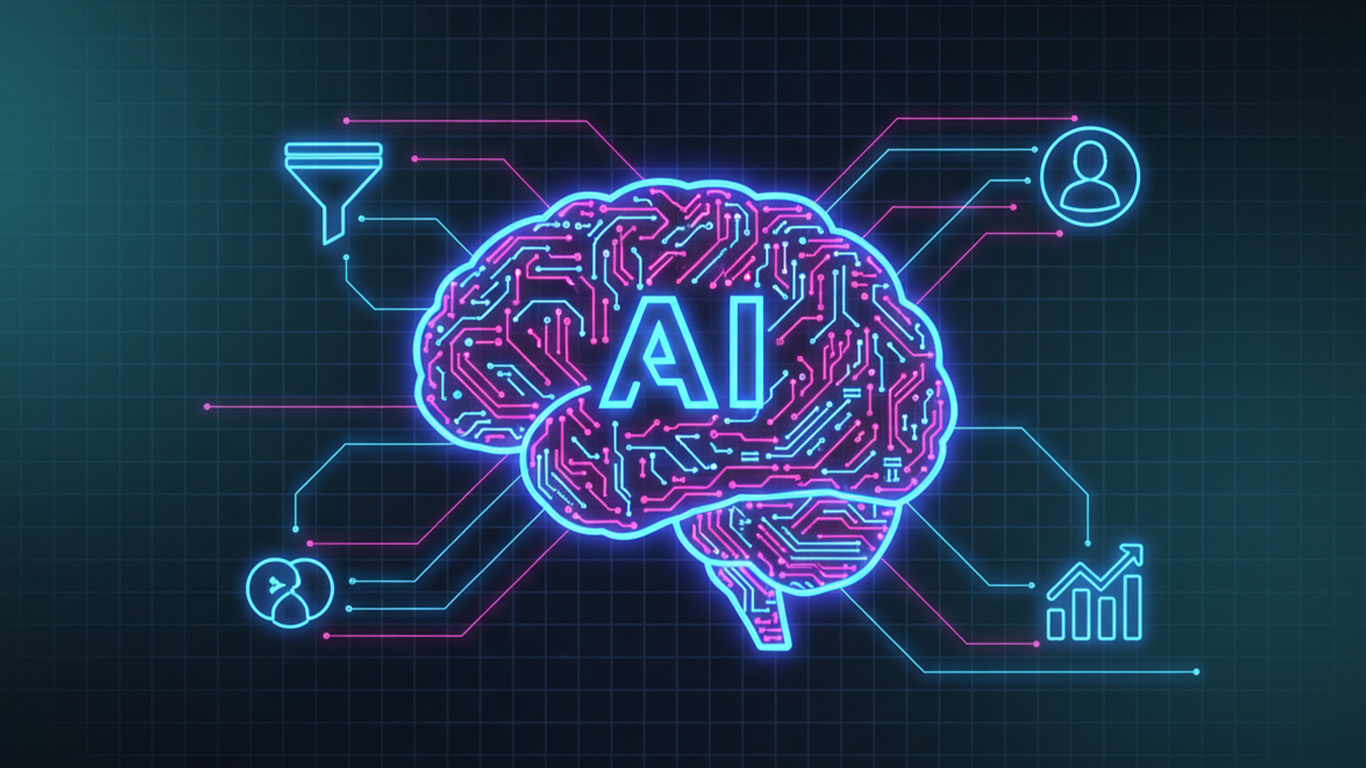
Every business running paid ads looks at the same performance metrics: click-through rates (CTR), cost per click (CPC), and return on ad spend (ROAS). The challenge is improving these numbers consistently. AI solves this by:
- Reducing wasted spend: Algorithms detect underperforming ads and automatically pause them.
- Boosting CTR: AI tests different ad variations in real time, ensuring audiences see the most engaging version.
- Improving CAC: Customer acquisition costs decrease when ads target the right people with the right message.
For example, Google’s Performance Max campaigns and Meta’s Advantage+ are powered by AI. These tools handle ad optimization automatically, often delivering better results than manual setups. With AI-driven insights, marketers no longer need to rely solely on intuition. Decisions are backed by data, making campaigns smarter and more profitable.
6. Emerging AI Tools Shaping Paid Advertising
Several innovative AI tools are reshaping the world of paid ads. These platforms enable marketers to create, manage, and optimize campaigns more efficiently. Let’s look at some key tools driving the future of paid ads.
6.1 Google Performance Max
Google Performance Max uses AI to distribute ads across all Google properties, including Search, YouTube, and Display. It optimizes in real time, helping brands reach the right audience with minimal manual input. This tool also identifies new opportunities and audience segments that marketers might not have discovered on their own, making campaigns smarter and more cost-effective.
6.2 Meta Advantage+
Meta Advantage+ focuses on Facebook and Instagram campaigns. AI automatically adjusts targeting, placements, and budgets to maximize performance. It also learns from user engagement patterns to improve future ad delivery, helping businesses achieve better ROAS without constant manual monitoring.
6.3 Chatbots and Conversational AI
Chatbots powered by AI can engage customers directly, answer questions, and guide them through the buying process. This adds a layer of personalization to ads while capturing leads. By integrating chatbots with ad campaigns, businesses can improve conversions and provide instant support, enhancing overall customer experience.
6.4 Predictive Analytics Tools
Predictive analytics platforms forecast customer behavior and campaign outcomes using AI for advertising. Marketers can plan more effective campaigns and allocate budgets wisely. These insights help brands anticipate trends, reduce wasted ad spend, and make data-driven decisions for performance marketing campaigns.
6.5 Dynamic Creative Optimization (DCO) Platforms
Tools like AdCreative.ai or Pencil use AI to analyze your top-performing ads and then generate thousands of new, statistically varied versions (copy, images, and video cuts). This dramatically shortens the creative testing cycle, ensuring only the most effective combinations reach the audience.
6.6 Ad Copy & Script Generation
Beyond basic text generation, advanced tools like Jasper AI or Copy.ai can generate entire ad copy variations tailored to specific campaign goals, platforms (Google, Meta, TikTok), and even different stages of the customer journey, ensuring consistency and relevance at scale.
6.7 Personalized AI Shopping
Doppl, from Google Labs, is an experimental AI app that lets users explore personal style and try on different looks digitally. It helps users discover products they love while providing marketers with valuable insights into preferences and behavior. For brands, Doppl offers a unique opportunity to integrate AI in paid ads with smart product recommendations. Engagement data from Doppl can guide ad targeting, improve personalization, and boost conversions, making campaigns more effective and customer-centric.
7. Challenges and Limitations of AI in Performance Marketing
While the benefits are clear, adopting AI in performance marketing comes with challenges.
- Data dependency: AI needs large amounts of data to work effectively. Small businesses with limited data may struggle.
- Over-automation: Too much reliance on AI can reduce the human creativity that makes ads relatable.
- High implementation costs: Advanced AI tools can be expensive to implement and maintain, making it challenging for smaller businesses to adopt.
- Complex learning curve: Marketers need time and expertise to understand AI tools fully and use them effectively in campaigns.
Marketers must balance automation with human judgment to get the best results from AI-powered marketing strategies.
8. Future Trends: What’s Next for AI in Paid Ads
The future of paid advertising looks more exciting than ever as AI continues to evolve. Some upcoming trends include:
- Voice search ads: With the rise of smart speakers and AI-powered assistants, voice-activated advertising is becoming increasingly important. Marketers will need to optimize ads for voice search, using AI to understand natural language queries and target users in real time.
- AR and VR ads: Augmented reality (AR) and virtual reality (VR) ads are gaining momentum. AI will help create immersive, interactive ad experiences, allowing consumers to engage with products virtually before making a purchase. These ads provide higher engagement and a more memorable brand experience.
- Hyper-Personalization and Smart Product Suggestions: AI will enable even deeper personalization in paid advertising. By analyzing user behavior, preferences, and purchase history, marketers can deliver content tailored to individual users. Smart product suggestions will recommend the right products to the right customers at the right time, improving engagement, conversions, and repeat purchases.
- Smarter attribution models: AI will improve attribution by tracking user behavior across multiple touchpoints. This will help marketers understand which channels and campaigns drive the best ROI, allowing for more accurate budget allocation and better performance marketing strategies.
- Human-Agent Interaction with Project Mariner: Project Mariner is a Google research prototype exploring human-agent interaction in browsers. For marketers, it offers a way to deliver smarter, real-time recommendations and more personalized ad experiences.
Businesses that stay ahead of these AI marketing trends will gain a competitive edge in the evolving digital landscape.
9. Conclusion: Why AI Is the Future of Performance Marketing
The advertising world is undergoing a massive transformation. Traditional methods are no longer enough, and businesses need to adapt to survive. With AI in paid ads, brands can achieve smarter targeting, real-time optimization, and personalized customer experiences. The future of paid ads is not just about spending more but about spending smarter. By adopting AI for ad optimization, businesses can maximize ROI, reduce wasted budgets, and improve customer satisfaction. In the end, the winning formula lies in combining human creativity with AI in performance marketing. Together, they will shape the future of advertising.